
System-first planning
We match panels, underlayment, venting, and flashing to your roof type so the roof performs as a system, not as separate parts.
Serving Memphis, Tennessee & surrounding areas
Mon–Sat · 7am–7pm
Get a roof that holds up to heat, humidity, and storm season with clean installation, careful flashing work, and a clear scope before anything starts.
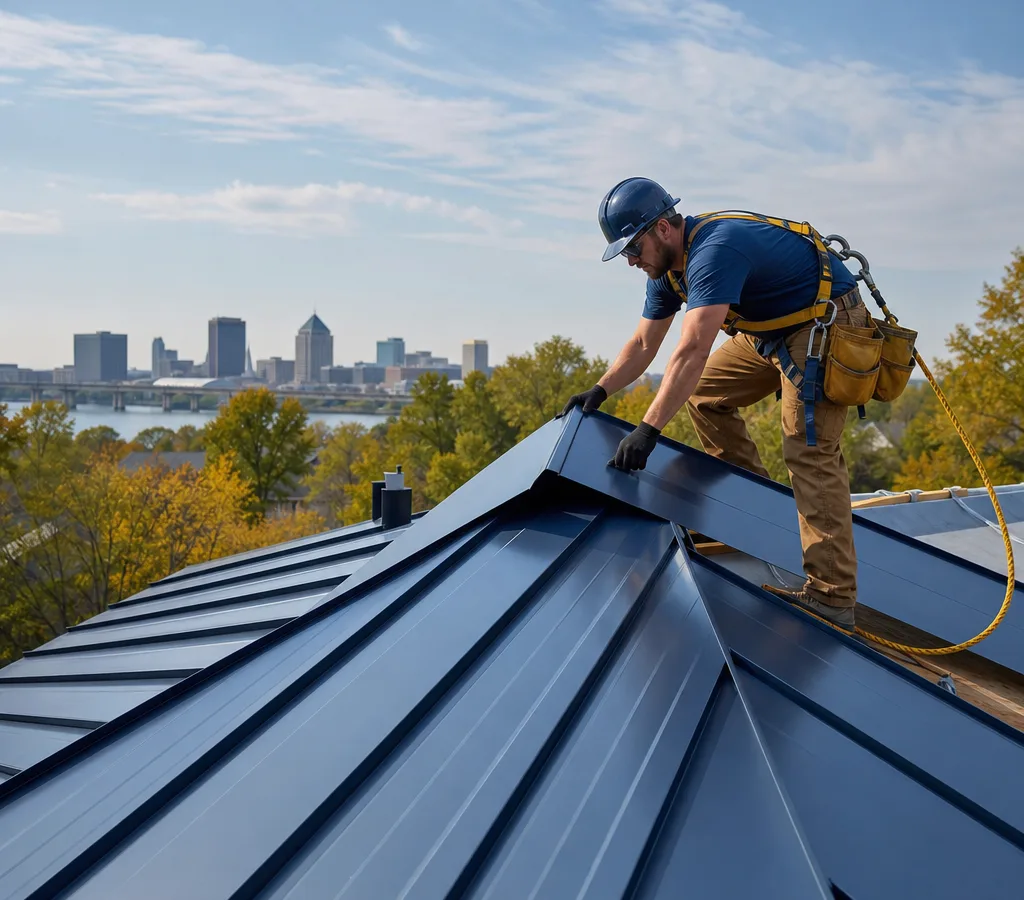
If you are searching for metal roof Memphis service, you are usually looking for two things: long-term durability and a contractor who does the details right. Metal roofing can perform very well in Memphis, but only when the system is designed for the roof you actually have, the ventilation is correct, and the flashings are installed to match the panel profile.
In older neighborhoods with a mix of roof pitches and add-ons, small transitions are where problems start. Around Midtown and the 38112 area, it is common to see multiple roof planes, dormers, and additions that need step flashing, counterflashing, and clean tie-ins. In East Memphis, larger roof footprints and longer runs make layout, clip spacing, and thermal movement planning more important. In Germantown and Collierville, homeowners often want a high-finish look, which means crisp panel lines, hidden fasteners where appropriate, and trim that stays straight over time.
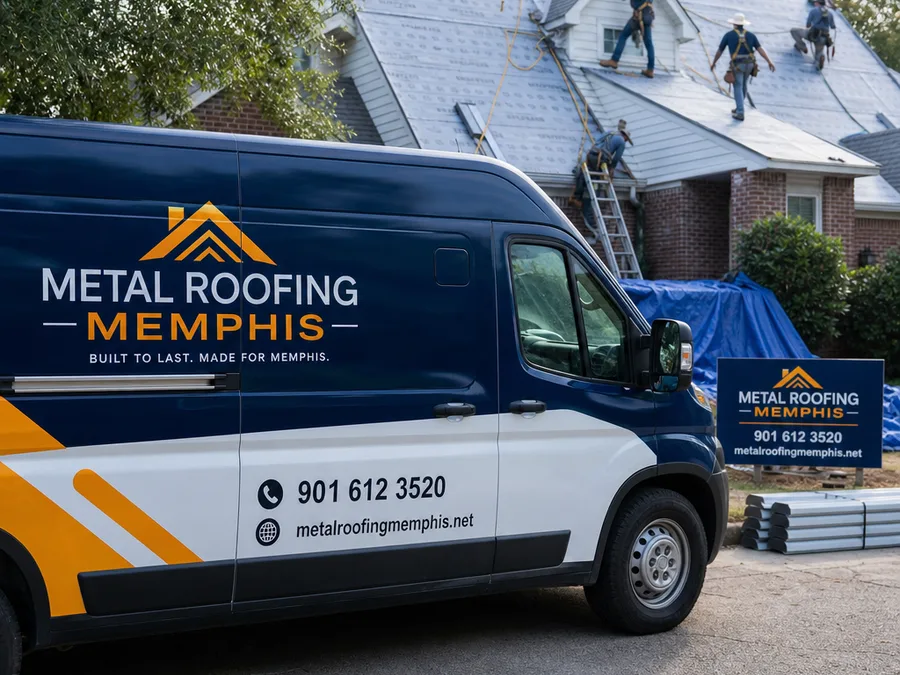
Metal Roofing Memphis handles metal roof installation and repair across Memphis, TN with an emphasis on watertight details: valleys, penetrations, wall terminations, and the edges that take wind-driven rain.
We match panels, underlayment, venting, and flashing to your roof type so the roof performs as a system, not as separate parts.
Pipe boots, exhaust vents, skylights, and HVAC penetrations are common leak points. We detail these areas with the right boots, sealants, and metal trim for the profile.
Drip edge, rake trim, and valley metal are installed to shed water fast and handle wind-driven rain, which is a real concern during Memphis storms.
If a full replacement is not necessary, we isolate the failure, replace damaged components, and avoid patchwork that traps water or fights thermal movement.
You get a written scope that spells out what is included, what is excluded, and what we need to confirm during the roof assessment.
Most homeowners start with the panel style, but performance is decided by the layers underneath and the trim details.
Standing seam (concealed fastener) systems are a common choice for a clean look and reduced exposed fasteners. Exposed-fastener panels can be a practical fit on some homes and outbuildings, but they depend heavily on correct screw placement, washer compression, and long-term maintenance planning.
Underlayment and ventilation matter in our humid summers. We look at intake and exhaust ventilation, existing attic conditions, and how the roof will handle heat and moisture. We also plan for thermal expansion and contraction, which is why clip placement, panel length strategy, and proper fastening methods are not optional.
Good flashing work is where a metal roof earns its reputation. Chimneys, sidewalls, headwalls, valleys, and transitions are detailed so water is directed onto the panel surface and away from seams. If you are comparing contractors, ask exactly how they handle pipe penetrations and wall terminations on the roof you have, not a generic roof.
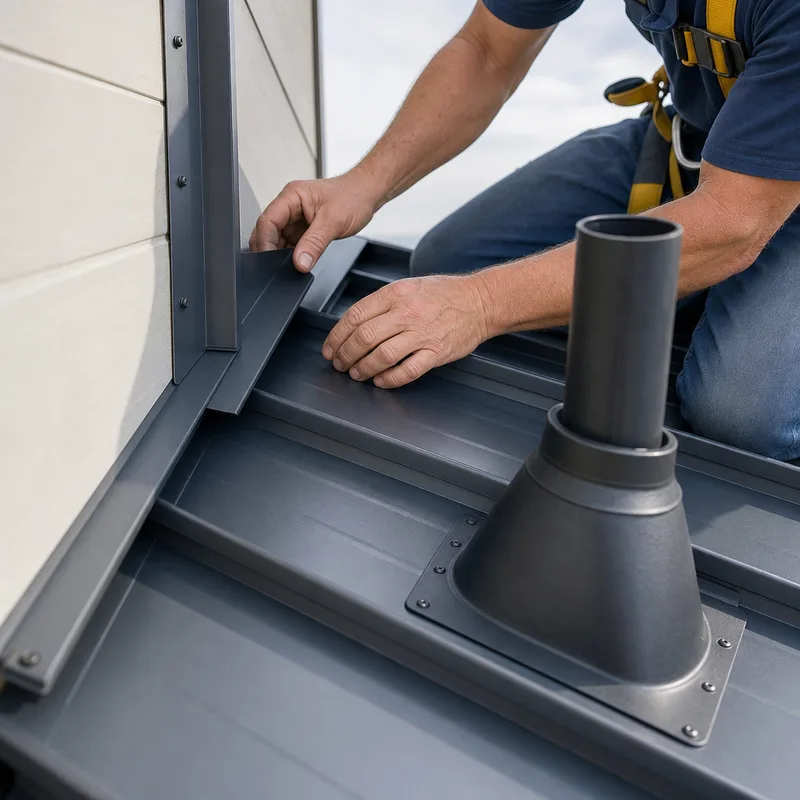
We review roof geometry, decking condition, penetrations, drainage paths, and any prior leak history. This is where we identify transitions that need custom flashing.
You get a clear scope, panel type, color and finish options, trim plan, and what will happen at vents, chimneys, and walls. If repairs are the better fit, we outline those instead.
We protect landscaping and access areas, stage materials safely, and verify the substrate and any required tear-off or deck repairs before panels go on.
Panels, underlayment, and trim are installed per the system requirements, with special attention on valleys, ridges, edges, and penetrations.
We confirm workmanship at common risk points—including valleys, boots, and wall terminations—clean up metal debris, and review care and maintenance expectations for your roof type.
Most metal roof projects in Memphis typically range from about $10,000 to $30,000+, depending on roof size, pitch, tear-off needs, and the panel system selected. Smaller, simple roofs with straightforward access tend to land at the lower end, while larger or more complex rooflines, standing seam systems, and heavy flashing work push pricing higher.
Your final cost changes most with roof complexity—including valleys, dormers, and chimneys—deck repairs, ventilation corrections, underlayment choice, and how many penetrations must be reflashed. Exact pricing is confirmed after an on-site roof assessment and a written scope.
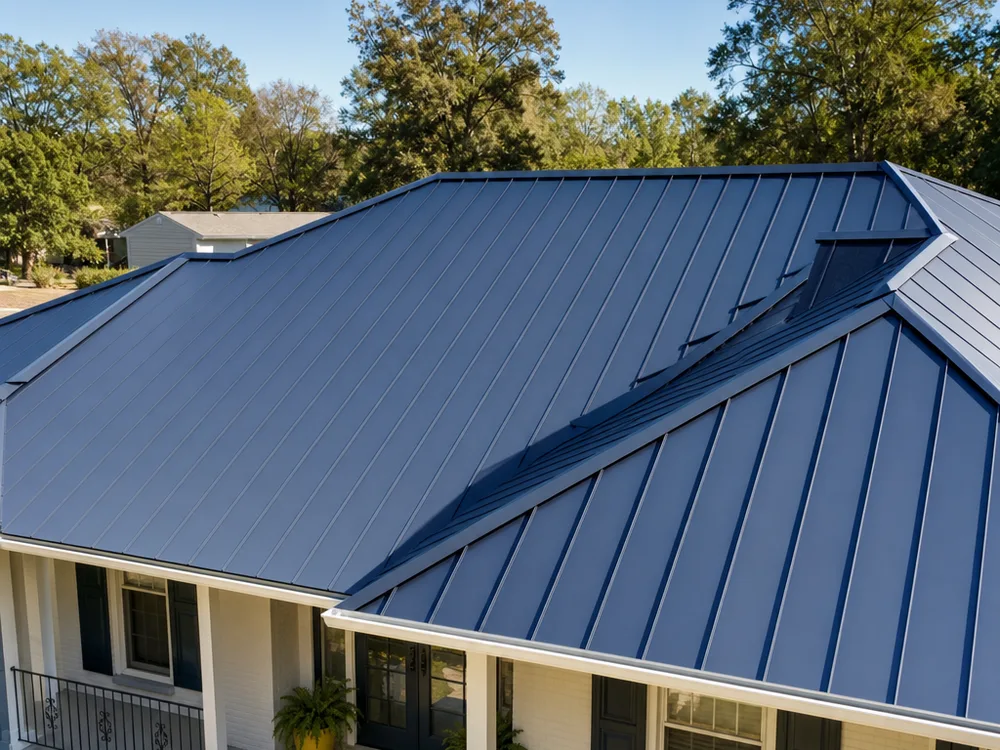
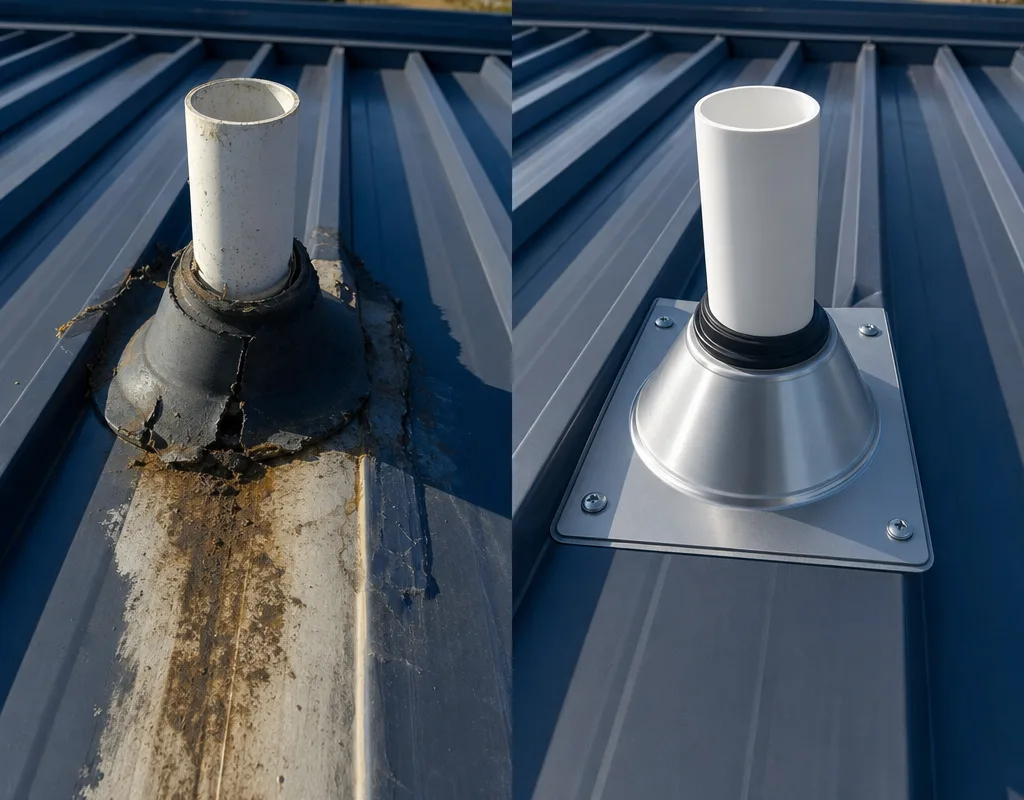
“We had a recurring leak near a vent stack that two previous repairs never fixed. They replaced the boot, reworked the flashing, and showed us exactly what had been wrong. The next storms came through and it stayed dry.”
“The estimate was written clearly and matched the work they did. The roof lines are straight, the trim looks sharp, and cleanup was thorough.”
Yes, we install both, and we recommend the system based on your roof geometry, budget, and the look you want. Standing seam is often chosen for a clean finish and concealed fasteners, while exposed-fastener panels can be a practical fit on simpler rooflines when installed and maintained correctly.
Many metal roof leaks can be repaired without replacing the whole roof, especially when the issue is isolated to a penetration, flashing detail, or a damaged panel. We inspect the roof to find the actual water path, then recommend targeted repairs when they will be reliable long term.
Penetrations and transitions are the most common problem areas: pipe boots, exhaust vents, skylights, wall terminations, valleys, and chimneys. In storm season, wind-driven rain can expose weak flashing details at these points, which is why the trim and seal strategy matters as much as the panels.
Many residential metal roof installs take several days, but the schedule depends on roof size, complexity, weather, tear-off needs, and any deck repairs found once the old material is removed. After the assessment, we can give a realistic timeline based on your roof's layout and access.
In most homes, a properly installed metal roof over solid decking with the right underlayment does not sound dramatically different inside than other roofing types. Noise is more noticeable on open framing or certain patio covers, so we look at your structure and assembly before advising.
Not always, but it is common to adjust edge details and ventilation when installing a new metal roof. If your existing gutters are undersized, poorly pitched, or damaged, we will point it out during assessment; and if attic ventilation is not balanced, we will recommend corrections so the roof system can manage heat and moisture.
Yes. We are based in Memphis (38112) and regularly work on homes across the metro, including areas with older rooflines and additions like Midtown, as well as larger, more complex roofs in East Memphis and nearby suburbs.
Tell us what you are seeing—leaks, rust, loose trim, storm damage, or a roof that is simply due—and we will schedule an assessment and provide a written scope for your Memphis metal roof installation or repair.